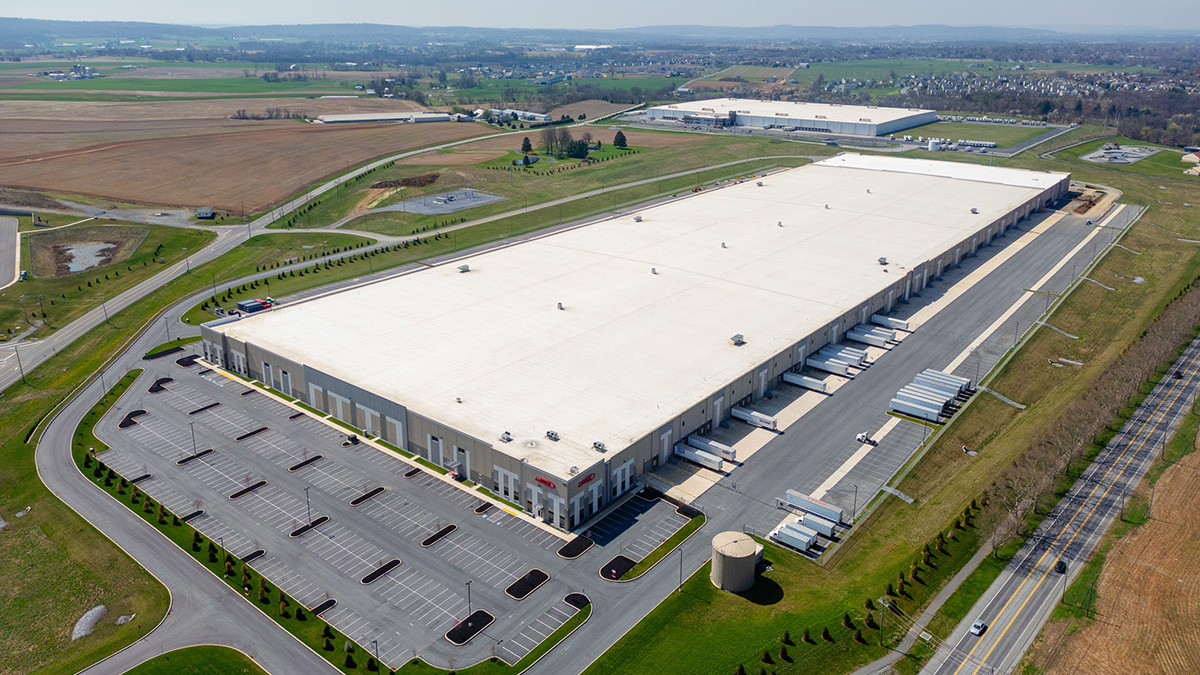
While commercial real estate markets in major metropolitan areas often receive the most attention, many rural and coastal communities throughout the Mid-Atlantic are facing an even more challenging investment environment. Rising operating expenses, higher borrowing costs, limited tenant demand, and workforce shortages continue to constrain growth in smaller markets across Maryland’s Eastern Shore, Southern Maryland, Delaware, coastal Virginia, and rural Pennsylvania.
Among the most significant challenges is the dramatic increase in commercial property insurance. Coastal properties in particular have experienced some of the nation’s steepest premium increases as insurers reassess their exposure to hurricanes, flooding, and other severe weather events. Even properties located outside designated flood zones are seeing substantial rate increases due to broader market conditions and rising replacement costs. For owners of retail centers, office buildings, industrial properties, and mixed-use developments in coastal communities, insurance has become one of the fastest-growing operating expenses.
Property taxes are creating additional financial pressure. Many local governments are adjusting assessments to reflect rising property values while simultaneously seeking additional revenue to support public services and infrastructure improvements. In smaller communities where rental growth has remained relatively modest, these tax increases often cannot be fully offset through higher lease rates. As a result, owners are experiencing compressed operating margins and reduced property values as net operating income declines.
Interest rates continue to present another significant hurdle. Although financing conditions have improved modestly from recent highs, borrowing costs remain considerably above the levels that fueled commercial real estate growth during the previous decade. In rural markets, where transaction volume is lower and comparable sales are less frequent, lenders often apply more conservative underwriting standards. Higher equity requirements, lower loan proceeds, and increased debt service costs have made many otherwise viable acquisitions difficult to finance.
Tenant demand also presents unique challenges outside larger metropolitan areas. Rural markets generally have a smaller pool of prospective commercial tenants, making vacancies more difficult and time-consuming to fill. Property owners increasingly recognize that long-term success depends not simply on securing tenants, but on attracting financially stable businesses capable of sustaining long-term occupancy. High-quality tenants with established operating histories, strong financials, and demonstrated business stability are increasingly valued over simply filling vacant space quickly. Stable occupancy reduces turnover costs, protects cash flow, and strengthens long-term asset performance.
Labor shortages continue to impact both property operations and new development. Many rural communities struggle to attract skilled construction trades, maintenance professionals, and specialized contractors, resulting in higher labor costs and longer project timelines. These workforce constraints are compounded by elevated material costs and ongoing supply chain challenges, making renovations and new construction increasingly expensive.
Despite these challenges, rural and coastal Mid-Atlantic markets continue to offer meaningful opportunities for disciplined investors. Population growth in select communities, increased remote work flexibility, expanding tourism, healthcare investment, and continued infrastructure improvements have created pockets of resilient demand. Communities that offer quality of life, recreational amenities, and lower business costs continue to attract employers and residents seeking alternatives to larger urban centers.
Success in today’s market requires careful underwriting, proactive property management, and a disciplined leasing strategy focused on retaining creditworthy, long-term tenants rather than maximizing short-term occupancy. Investors who effectively manage rising operating costs while building durable tenant relationships will be best positioned to capitalize as financing conditions stabilize and market confidence gradually returns.
About the Author

Chelsye Phillips-Hutton
is a licensed Senior Commercial Real Estate Advisor with NAI Coastal, serving Maryland, Delaware, and Virginia. Chelsye is also the Managing Partner of Mid Atlantic Property Management based in Salisbury, Maryland.